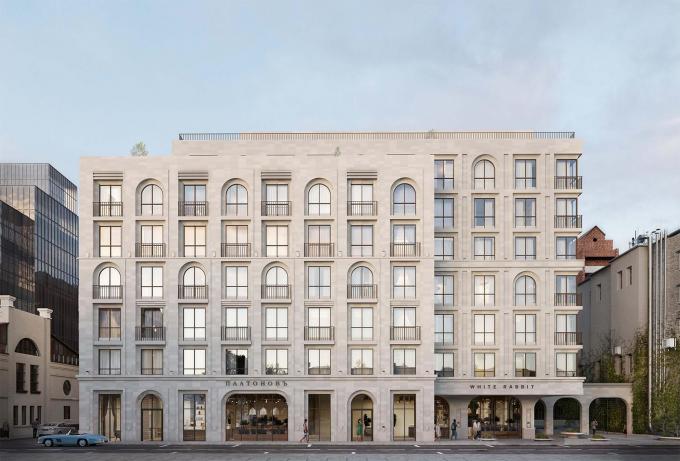
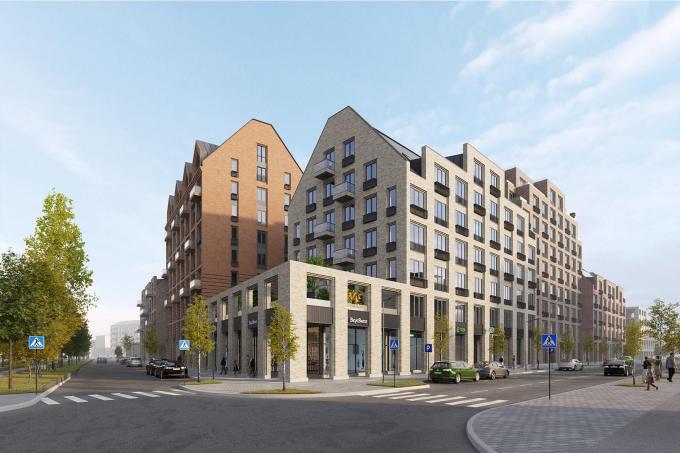
Art Deco, from French Art Deco — named after the 1925 Paris exhibition "Art Decoration", "Decorative Art" — originated in Paris in the period between the two world wars. The 1920s were a time of searching and experimentation in architecture and in the art of the everyday object, in their inseparable unity. Until the 1960s, the Art Deco style was not considered independent. Its origins naturally go back to the Art Nouveau style. Art Deco partly continued the traditions of Art Nouveau, while being influenced by Cubism, American art and the design of the rapidly developing machine and aircraft industry of the time.
Art Deco design was the basis of almost all home interiors of the 1920s–30s. The simplicity and geometry of the interior style opened the era of mass furniture production, making it affordable.
The Art Deco style is consciously oriented toward the past, strives for luxury, and is embodied in a combination of the exotic and the primitive arts. In a modern and unusual way, Art Deco combines oriental motifs, elements of antiquity and completely different materials in the interior, together with new masterpieces of art of the first half of the 20th century, giving particular preference to Cubism.
Art Deco interiors are characterized by straight or broken-curved lines, crispness and graphic quality of forms. It is distinguished from other interior styles by the use of decorative elements in the form of zigzags, circles, triangles, suns, as well as rounded corners, strict vertical lines and "receding" forms. The materials used include fabrics, glass, bronze, ceramics, carpets with cubic patterns. Besides, fans, fountains, podiums and wrought grilles are appropriate. Light wood, leather, marble, glass and chromium plating for all kinds of home equipment are also appropriate.
 An Art Deco interior can combine oriental or Indian motifs and elements of antiquity with completely new masterpieces of art in a modern and unusual way. Using neoclassical forms and streamlining at the same time, the gracefulness and playfulness of Art Nouveau décor, Art Deco is the embodiment of monumentality and elegance. Today this interior style is rightly considered a synonym of luxury and respectability.
Admirers of the Art Deco style ignore mass industrial production of goods; they choose the exclusive manufacture of objects. Products made of valuable and expensive materials are in favor — snakeskin, ivory, bronze, crystals, exotic wood. Favorite accessories are unusual works of Egyptian, African, Chinese and other exotic cultures. An Art Deco interior can be elegantly classical or expressively ethnic. The main thing is effectiveness, brightness and the luxury of bold combinations.
Art Deco is a bourgeois but not philistine style, classical but not old-fashioned. A style of design that skillfully united the traditions of Rome, Egypt, Greece, China and Japan. Interiors in the Art Deco style often have no complete composition and represent a sum of individual components, each of which is an exclusive item or a work of art. It is not surprising that many such interiors were called "collector's pavilion" or "artist's studio" — they were created with the chic of expensive hotels and restaurants, so Art Deco is sometimes called the "Ritz style".
Having begun with delight in luxury and ornament, Art Deco later added elements of functional design to this. It is to the Art Deco style that we owe the creation of the first streamlined chairs and armchairs made of steel tubes. The expressive forms of "technical design" were borrowed from the latest models of automobiles and locomotives. Today the latest audio and video equipment is becoming an indispensable attribute of Art Deco interiors. Plasma panels and home theaters are perfectly combined with marble countertops and rich velvet draperies. Wooden furniture with chrome handles, glass surfaces and expensive leather, embodying modern automotive and aviation design — these are the sources of inspiration of the Art Deco style. All kinds of precious jewelry, smoking and drinking accessories, chrome kitchenware — Art Deco is a flight of fancy and the embodiment of luxurious functionality.
Luxury for Art Deco is not only expensive materials but also visual richness: bright and saturated colors. As a rule, more than 3 colors are used, and this looks amazingly integral and unexpectedly beautiful. Against the chessboard contrast of black and white — glowing inclusions of red and gold, chrome interior items.
 Furniture makers loved to use materials such as aluminum, stainless steel, ivory and ebony, enamel, collector's porcelain and expensive glass, wood inlay, and expensive leathers of unusual animals — zebras, crocodiles, lizards and even sharks — for making and decorating Art Deco furniture.
Lighting plays an important role in Art Deco interiors. All kinds of lamps and fixtures, chandeliers with a large number of arms, frosted glass diffusing light create an atmosphere of coziness, sophistication and mystery.
The Art Deco style returned to Europe in the 1990s and became very popular. Recently professional designers have made an adjustment to the ideology of the Art Deco style. Today the essence of the Art Deco style lies in modernity, luxury, stylishness and effectiveness. Art Deco architecture, buildings and interiors create a feeling of lightness and monumentality at the same time. Especially pleasing to the eye are the streamlining of structures and the curving of lines combined with the use of saturated colors, which creates a festive impression and makes the building unforgettable. At present one can more and more often come across Art Deco style concepts in the construction of private houses.