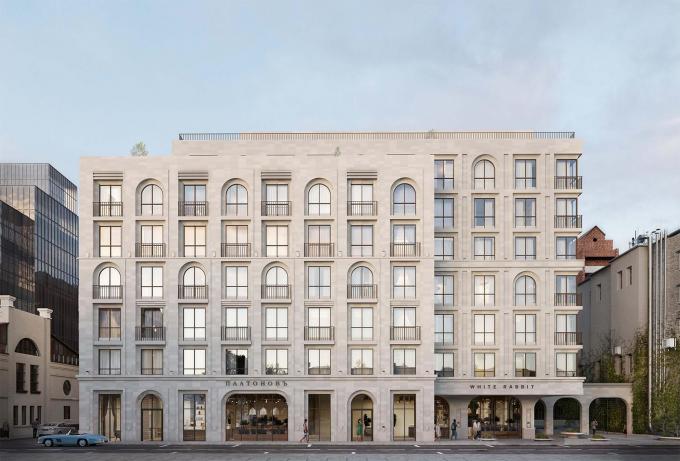
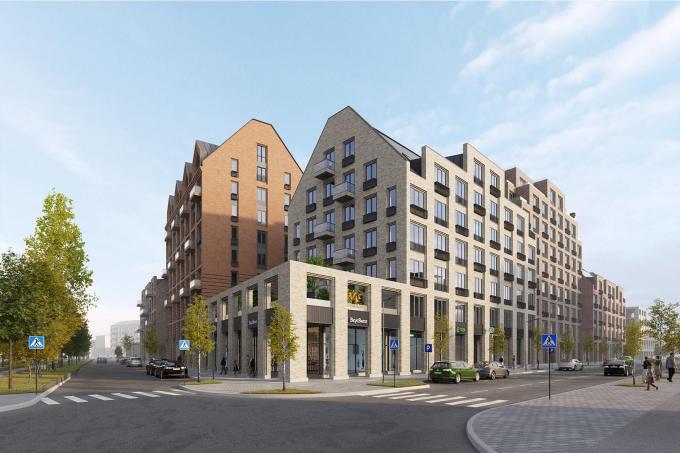
Eclecticism first appeared in design back in the 19th century, in the era of the flourishing of the romantic movement in art.
In opposition to the strict canons of classicism, eclecticism offered a certain freedom in shaping the surrounding space, an unrestrained selection of various objects and details. For this, followers of the eclectic style were immediately accused of bad taste and lack of individuality. However, despite the criticism, eclecticism in interiors and design fully proved its worth and its right to exist. And today the eclectic style attracts many people with its unconventional solutions and evident beauty.
Over time, eclecticism acquired its own distinctive features — plastic forms, an abundance of textiles, soft and comfortable furniture, and a multitude of decorative elements, which could be little things from the far corners of the earth, reminiscent of the cultures of the East and the Mediterranean countries. Everything that was comfortable and beautiful in the interiors of past styles became fashionable and relevant.
Eclecticism in the interior is a combination of furniture of two or three different styles, united by color, texture, and architectural solution. The early period, when eclecticism was especially widespread, is characterized by the repetition and mixing of different historical styles — rococo, Renaissance, and Empire.
Most people prefer to use elements of the most diverse styles in their interior. This is how eclecticism appears — the intermingling and synthesis of interior styles. Today it has become very fashionable to combine Western styles with Eastern ones, the new with the old. The result is a completely new kind of interior. Contemporary eclecticism is chosen by people who are self-confident, bold, and unconventional.
The main feature of eclecticism is convenience and comfort, the combination of contemporary stylistics with the history of the past. Your apartment can hold soft modern furniture, and next to it — an antique chest of drawers. In eclecticism, small details are extremely important, as they are what unite different things in an interior. For example, if you want to highlight the walls with some colored fabrics, you should leave white areas to emphasize this decorative element. Many objects in a home are part of the life of their owners, so it is not necessary to throw old things out of a new design.
If you love to travel and constantly bring back souvenirs from different countries — Chinese tableware or Greek rugs — they, too, can be organically woven into an interior design in the eclectic style. These souvenirs give the entire setting a distinctive decorative character.
The role of decor in eclecticism is especially strong. Dynamic forms of interior objects are accompanied by wood carving, and the motifs of ornaments are whimsically curved and twisted elements. Carved openwork backs of chairs and armchairs take on the most diverse shapes, while armrests dynamic in pattern end in a spiral curl. Despite their large size, sofas and beds with turned legs and quilted upholstery make a decorative impression.
In an eclectic-style house, works of the most diverse painting can coexist, from canvases by old masters to gifts from friends and even one's own "works of painting" created by the hands of the owners or their children. In a setting where stylistically different objects are mixed, it is very important to accentuate the details, because it is precisely the details that unite such different objects in character.
The most widespread kind of eclecticism is the Moroccan style — a combination of European and traditional African decor elements in a single interior. The eclectic style of Morocco features Berber, French, and Spanish-Moorish motifs; the influence of the ancient Greek and Roman cultures is noticeable, and African culture contributed its own elements. In Moroccan houses, Moorish ornaments are combined with European furniture. Here one can often find, for example, a high-tech-style armchair and a luxurious handmade rug with a charming African pattern. Walls can be decorated with wooden or ceramic compositions. The eclectic style combines seemingly incompatible elements of decor: stained glass, Japanese fabrics, forged furniture, bathroom mosaics, woven rugs. Traditional Moroccan chests, small and large, with carving, are distinguished by a special charm. And, as far as we know from Moroccan TV series, the sofas always have many cushions embroidered with African patterns.
Every thing in your home has its own history, its own little life, and carries certain memories for its owner, so do not rush to throw out things that have served their time — perhaps in your new eclectic-style interior a suitable place will be found for them.
In general, eclecticism has no restrictions whatsoever; everyone is free to bring their own contribution to this interior style. It suits people who are bold, contemporary, and unconventional in their thinking.
The combination of styles, the creation of a single ensemble from objects of different eras — that is what the eclectic style in the interior is. Creating such an ensemble is quite difficult. This work requires not only a creative approach but also certain knowledge and a fine artistic instinct. Disparate objects should be united by some single theme, common features. Objects can be united by color, by an identical silhouette line, or a similar pattern. An interesting result comes from selection by texture or size. Objects can be the most diverse, but their selection must never be random. Otherwise, there is indeed a great risk of ending up with a disorderly and meaningless accumulation of objects.
Moreover, when creating an interior in the eclectic style, one should adhere to certain principles and rules. First of all, choose a neutral common background. Any background should unite, otherwise the space will inevitably begin to "fall apart". Next, large pieces of furniture should not be bright. Ideal colors are white, black, shades of brown and gray.
At the same time, eclecticism in design by no means implies dreariness and boredom. Boldly use rare things, souvenirs from faraway exotic countries, and combine rough and fine fabrics with each other.
An interesting result comes from combining different textures and surfaces, contrast finishes. Try not to overlook a single detail, and your reward will be a cozy, original setting. The ultimate goal set by the eclectic style in the interior is the expression of the owner's individuality, with a complete absence of monotony and stuffiness. A room in such an interior design is always interesting to examine for a long time, and most importantly, it is pleasant and comfortable to live in.
Today the eclectic style attracts people with its unconventionality and originality, but at the same time the harmony of its combinations. Many contemporary designers believe that the popularity of eclecticism will, over time, lead to the formation of a new unified movement based on the combination of various stylistic types.