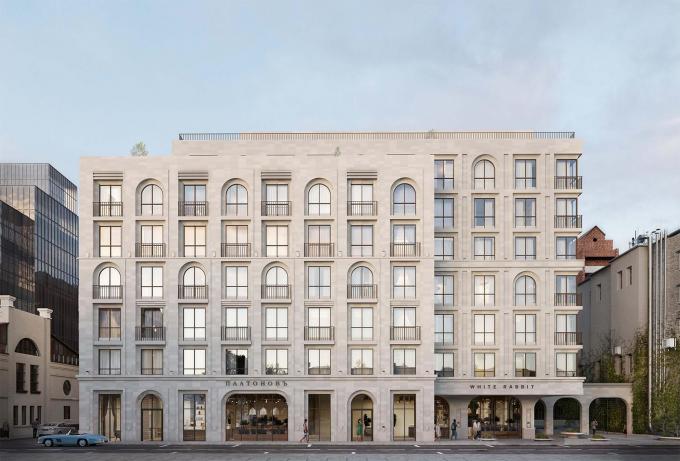
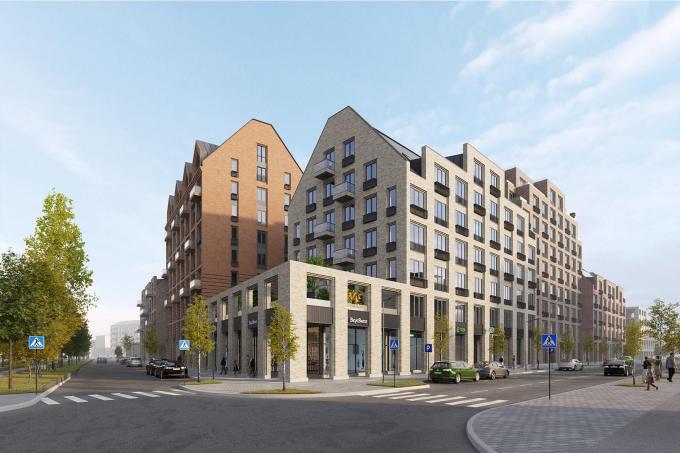
French style emerged in France at the end of the 17th century, in an age that worshipped wealth. Affluence and chic remain the main stylistic accents of a contemporary French interior.
The Bourbon kings prized luxury above all — and that is precisely what contemporary French interior style reflects. Classicism, Baroque, Rococo and Empire all left a deep mark on French style. Yet it is impossible not to note that French design is filled with a spirit of improvisation, and at the same time every object in it is filled with love.
If you have decided to take a French house as the basis of your interior, remember that its chief qualities — are impeccable taste and a sense of proportion. Caught up in excessive historicism, you cross the line beyond which theatricality ends and mere kitsch begins. A painstakingly copied French style, which originally arose as décor for palace interiors, looks in contemporary cottages, and even more so in city apartments, much like a gilded carriage on a motorway. And if you do not want to turn your home into a living stage set, you will have to spend effort and time to create an elegant French stylization adapted to your dwelling.
France, in fact, gave birth to a great many styles. Besides the imperial ones, two French styles are rather well known — southern and northern — Provençal and Norman.
Unlike them, Parisian style is the most contemporary of all French interior styles, and it uses classic decorative objects. Unlike its lavish imperial counterparts, it does not flaunt luxury or ostentatious finishes; it has refinement, and that is the very chic and nobility that belong to natural materials and objects with a patina of history.
For many centuries France set the fashion in interiors. The French are rightly regarded as keepers of tradition in furniture making and interior design. Consider: the secretaire, the sofa, the commode and even the famous Voltaire armchair — all of them come from France. The most famous styles of European interiors, such as Classicism and Art Deco, for the most part began in France.
FRENCH STYLE — the main features of a French interior
The interior of a French house kept in stylistic tradition is always very elegant and romantic, but never ostentatious. French chic was created especially for those who long for a touch of luxury. Combining muted colours with richly decorated furniture that evokes the history of France, French style is best suited to spacious houses with good natural light and apartment interiors with high ceilings.
To this day the furnishings of French interiors — contemporary traditional ones — are distinguished by a multitude of graceful little things that give the whole setting a truly French charm. Such an abundance of tea tables and dressing tables on low and high legs, flower stands — jardinières, can be found only in French homes. Round and square, wooden and metal, glass and painted “to look like marble,” they stand in the living room, the bedroom and the entrance hall. In French style, tables and furniture are adorned with vases or pots of flowers, small ceramic vases, caskets, all kinds of souvenir figurines and candlesticks.
For French style, the harmony of antique elements with contemporary ones is essential — walls finished with fabrics, paintings hung in beautiful frames, rugs, tapestries, mirrors in gilded frames, and so on.
The French furnish the bedroom impeccably: it is comfortable, yet at the same time festive. The dining room is adorned by a cabinet with porcelain ware. French style freely mixes different patterns and fabrics — floral motifs and stripes, napped chenille and damask. Damask is more often used for upholstery. Contrasting chair covers, striped, always in the same tone as the lampshade — another element of French style in the interior.
FRENCH STYLE — furniture
Wooden furniture with an “aged” effect and openwork elements of wrought metal are used to furnish a French interior. This device is applied especially often in the bedroom. Ideally, if you find antique furniture, it will become a true ornament of your interior. All the furniture is kept in golden, bronze, silver, black and white tones, complemented by decorative elements of glass, mirrors, textiles and porcelain.
The setting is harmoniously completed by exquisite and elegant accessories of Murano glass, paintings in luxurious frames, sparkling crystal, and an abundance of decorative pillows.
A bed with sumptuous upholstery and the wonderful rose-marble décor of a fireplace create two striking visual centres in the sensual boudoir of French design. Soft tones of lilac and frosted silver guarantee an atmosphere of femininity, while crystal candelabra beautifully complete the sense of intimate contact with a gallant age.
A French interior rests on its constant attributes. A “bergère” — is a deep yet low comfortable armchair for resting in the living room. A “guéridon” — is a dining table, and a “dressoir” — a china cabinet that usually stands in the dining room and is its ornament. These elements underline French style in the dining-room interior.
French interior style also provides for kitchen furniture in which natural stone is used. It is best to use sandstone of various colours, marble, travertine or granite. Stone can clad a bar counter, a worktop, drawers, cabinets and cupboards.
French style in a bedroom interior will be emphasised by a wrought-iron bed. If it is a living-room interior, there must certainly be a pouffe and a couch. The kitchen, in this case, should have a rack for various utensils. In furniture, French style emphasises metal pieces that blend smoothly with other objects of porcelain, glass, wood and textiles.
The French invented a low, deep armchair stuffed with seaweed or horsehair, a table with a wooden top fixed to a metal base of three rods, and tables with legs in the form of lion’s paws.
For French style in the interior it is equally important what furniture stands in the house and what it is made of. The “highlight” of Gallic style is a special technique for treating natural oak. In production it is coated with whitewash, which is then rubbed and cleaned, giving the wood grain an aged look.
FRENCH STYLE interiors — materials
French style in the interior, for floor covering, assumes the use of various materials. A French interior will become clearly defined if the floor is finished with glossy ceramic granite or natural stone with a polish. They will reflect a true French-style interior with refinement and a certain glamour. A French house interior is also well expressed by laminate or parquet with an exclusively light wood grain.
French style in the interior cannot do without chenille, velvet, satin, silk taffeta or organza. Each of these fabrics plays skilfully with light; they reflect all the colours around them. When using fabrics, French interior style does not use textiles decorated with a printed pattern. You will instantly sense French design if you see hand embroidery or beads. A French interior will become truly light if the windows are dressed with lambrequins or draped in organza.
The fabrics used for curtains — are jacquards with a botanical pattern. Windows with small balconies run from the floor.
An interior in French style is unthinkable without pendants of crystal, rhinestones, Murano glass and accessories adorned with beads. They bring a particular charm to the interior design. Mirrors with a gilt frame will also underline French style, and silk pillows and a fabric screen with weaving will bring the style to perfection. That is how the interior of a French house or apartment appears before us.
FRENCH STYLE — colour and light
Interiors in French style are filled with sunlight. French style in the interior depends on the colour range. Pink and lilac shades stand out most, along with green and silver. French style in the interior is distinguished by the use of shades and colours that are close to one another.
The colour palette of a French interior consists mainly of pastel tones. Favourites — are green and pink mixed with grey. You will convey the atmosphere of refined chic in a French house correctly if you finish the interior in pearl-pink, silver-grey or pale lilac tones. Ivory, black, terracotta and a combination of navy blue and white are also considered traditional for a French interior. But under no circumstances should there be abrupt transitions from one tone to another.
The traditional pattern used in decorating rooms in French interior style is a combination of stripes and a floral or botanical motif. Characteristic gilded scrolls give the pattern extra chic. Here too, however, it is important not to overdo it — the ornament should not dazzle the eye, and it plays only a secondary role.
Walls are usually covered with matte paints. The wall finish has a pearlescent surface and an unobtrusive pattern. French style in the interior will take on a certain romantic outline if wallpaper is used that shows a pattern from old chintz.
FRENCH STYLE — accessories
French style is distinguished by its refinement. It combines charm and comfort; it can be recognised by the accessories used and the finishing materials applied in the work.
French style in the interior has its subtleties. Special techniques for treating oak allow its grain to age. It is very fashionable today to give contemporary materials the outlines of a distant past. Vintage pieces of French design — are individual by nature and tolerate no competition; the full depth of their charm appears precisely in interaction with contemporary furnishings, against which they proudly display their respectable age.
Living rooms in French style have a great deal of light; there are soft handmade rugs and lamps that resemble jewellery, tables and chairs with carved legs, ware of fine porcelain with gilding and a modest pattern.
French style in a bedroom interior will be adorned by rugs of silk or wool. Such rugs can likewise express French style in a hall or living-room interior. This will be a definite accent speaking of the richness of the interior and, at the same time, of coziness. French style in the interior is also bound up with the choice of fabrics. They should be in calm shades. French style in the interior is seen most clearly when fabrics with a damask weave are used. Their pattern can be seen only in a certain light.
Elements of FRENCH STYLE in a city apartment
French style can be reproduced in full only in a space with sufficient room and huge windows, for example in a country mansion. But what is to be done if you are merely the owner of a modest apartment? With a properly prepared design project and individual decorative elements, French charm and elegance can be brought here as well, without neglecting practicality and comfort.