Scandinavian style takes its origins around the late 19th century and spans vast geographic regions, including Finland, Denmark, Norway, Sweden, and Iceland. It was from the diversity of these Scandinavian cultures, languages, traditions, and outlooks that the philosophy of Scandinavian design was born, playing an important role in world architecture.
We know that the French are famed for their elegance, the Germans — for punctuality and neatness, and the Scandinavians — for unhurriedness and thoroughness. Thus the character of people and a nation’s traditions show themselves most vividly in the design of a Nordic interior as well.
Scandinavian style absorbed such traits of the northern peoples as restraint and a certain austerity, coolness and taciturnity, as well as love and respect for nature. The main hallmarks of a Scandinavian interior — naturalness, simplicity, and authenticity. That is why interiors in Scandinavian style contain a minimum of décor and are executed in light, natural tones from simple, natural materials, yet remain distinctive and individual.
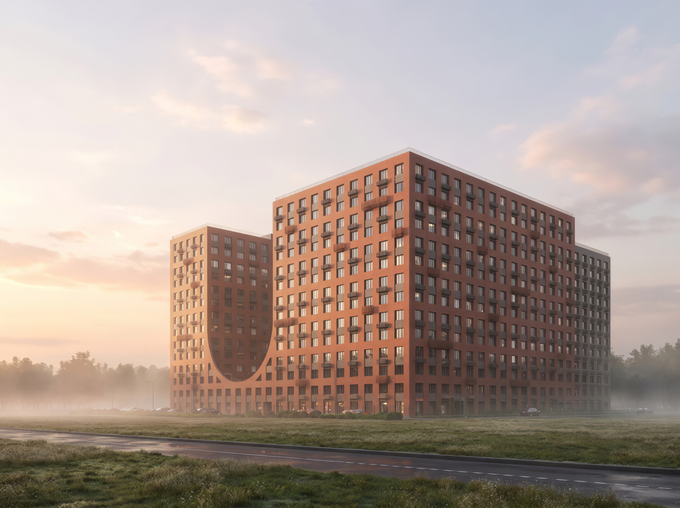
The influence of the pan-European styles of Baroque and Classicism left its mark on Scandinavian architecture as well, but did not deprive it of its national character.
In the organization of space, rationality and laconicism catch the eye first of all. Simple, spacious, rectangular rooms are furnished only with the most necessary furniture; there is nothing superfluous. Scandinavian interior style is considered the most disciplined, intolerant of a careless attitude to details. In such a situation, a design project has to think through every detail of the setting meticulously, down to the smallest things.
THE SCANDINAVIAN HOUSE — key features
Scandinavian style does not suffer from excess ornament, and at first glance it seems reduced to creating an interior very similar to minimalism, but if you look closer it becomes obvious that a Scandinavian home is highly distinctive and unique. And even the enormous influence of European cultures could not erase features in architecture and design that belong only to Scandinavian style.
Such a characteristic feature of Scandinavian interiors can be considered the use of natural materials, such as wood and stone. The principal species for Scandinavian design can be considered oak and beech — hardwoods with a very beautiful grain and strong performance. Natural materials are used in both exterior and interior finishes, underscoring the fact that Scandinavian style was born of the descendants of Vikings and hardy northern peoples.
In Scandinavian interior style, the traditional love of natural materials, first of all wood, is combined with a drive to use new technologies of working it and new materials — chrome metal, glass, woven details, decorative textiles.
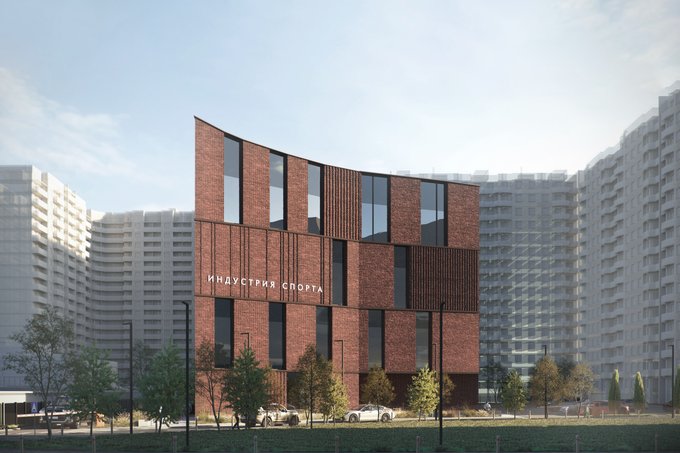
Established Scandinavian style is distinguished by naturalness, simplicity, and authenticity. This is an unfussy style — board floors of light wood, light walls, simple wooden furniture. Wooden floorboards that were once scraped by hand are now bleached in a special way. Paints, if applied to floors and furniture at all, are also in light natural tones: grayish, beige, bluish, greenish. And wooden walls are coated with a thin layer of translucent paint. Brick or natural stone walls, or fragments of them, sit in harmony with the wooden surfaces of a Scandinavian home. On the open surface of plain walls — paintings or photographs in slender frames.
SCANDINAVIAN STYLE — color
The color palette typical of Scandinavian style in interiors and architecture leans toward light tones and shades. The obligatory presence of warm tones such as milky, yellow, and light terracotta underscores, in Scandinavian style, the longing of the peoples who inhabit these lands for warmth and sunlight.
White and blue dominate quite actively in the coloring of Scandinavian interiors; soft muted greens, various shades of gray, turquoise, and amber-yellow are used to pick out individual details.
Living rooms in Sweden are characterized by a modest amount of furniture and a contrasting pairing of white with red, or red with green. The walls of Scandinavian rooms, clad in wooden panels, are usually painted white or green, and red details are always present in the setting.
SCANDINAVIAN STYLE — furniture
An interior designed in Scandinavian style is notable for the fact that there is not all that much furniture in it; everything leans toward a pairing with living nature and sunlight. Wall surfaces are as a rule painted in a single tone, and variety is given to the walls by hanging paintings and photographs in slim frames. Smoothness and elegance of line are widely used in making furniture that can underscore Scandinavian style.
Low and invariably light furniture, necessarily of natural materials, is a hallmark of the Scandinavian interior. Most often, to make furniture and to underscore Scandinavian style, natural wood in light tones is used — usually light hardwoods, more rarely spruce or pine. Unpainted wood, only lightly protected by a coat of clear varnish, looks very natural. The naturalness of the material is carried through into the form of interior objects as well.
Contrasting cushions, bright fabric slipcovers, and soft rugs often become a successful complement to furniture and interiors in Scandinavian style.
SCANDINAVIAN STYLE — décor and accessories
In the décor of Scandinavian style, alongside refinement and softness, there is a certain wildness and primitivism, probably inherited from the ancient seafarers who once inhabited these lands.
Decoration in Scandinavian interiors is almost absent, yet the style cannot be denied its distinctive character. Linen and cotton fabrics are used; in their pattern, checks or stripes appear most often, again in light tones: blue with white, pale green with beige. Furniture is in slipcovers, usually linen.
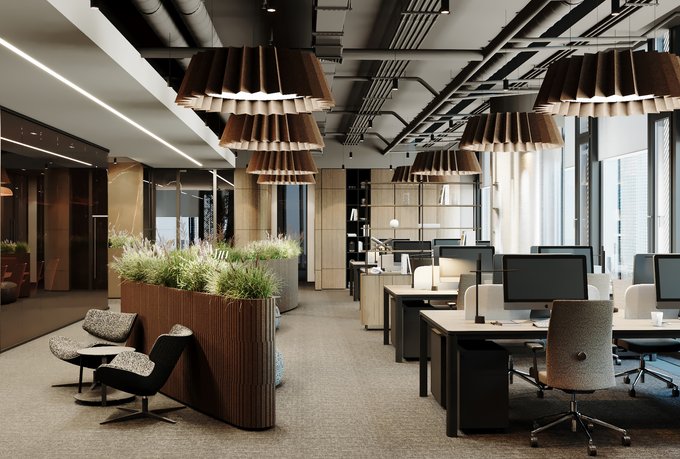
Because there is little natural light in the north, interiors use a great number of lamps; their design is also one of the “calling cards” of Scandinavian design. A Scandinavian home is filled with light — large table lamps with fabric shades, floor lamps, ceiling fixtures of various shapes and sizes, spotlights mounted on a cord or a metal frame.
Scandinavian style clearly shows the northern peoples’ pull toward nature and love of its creations. A very characteristic expression of that attitude is the abundance of greenery in the interior. Flowers in vases, pots, and planters — living ones, always; Scandinavian style completely rules out imitation greenery.
In a typically Scandinavian interior, transparent glass and ceramics are generally present, as well as ceramics with cobalt painting — symbols that embody the abundance of water and the thousands of lakes for which Scandinavia is so famous.
SCANDINAVIAN STYLE — an excellent choice for contemporary interiors
For Scandinavian interior style the main rule remains naturalness in everything, down to the smallest details.
People who prefer Scandinavian style choose it with a deliberate emphasis on space and light in rooms. And the ecological leaning of Scandinavian style toward natural materials makes it even more relevant and in demand today.
In our time Scandinavian style is often used both for apartment interiors and in building houses or country cottages. As a rule, composed people of a Nordic temperament prefer Scandinavian style.
By choosing Scandinavian style as the basis for your interior, you can touch the essence of the Scandinavian peoples and the nature of these lands, and feel the architecture of sunlight and the authenticity of natural materials.